Startup Directory Submission Checklist: What to Prepare Before You Submit
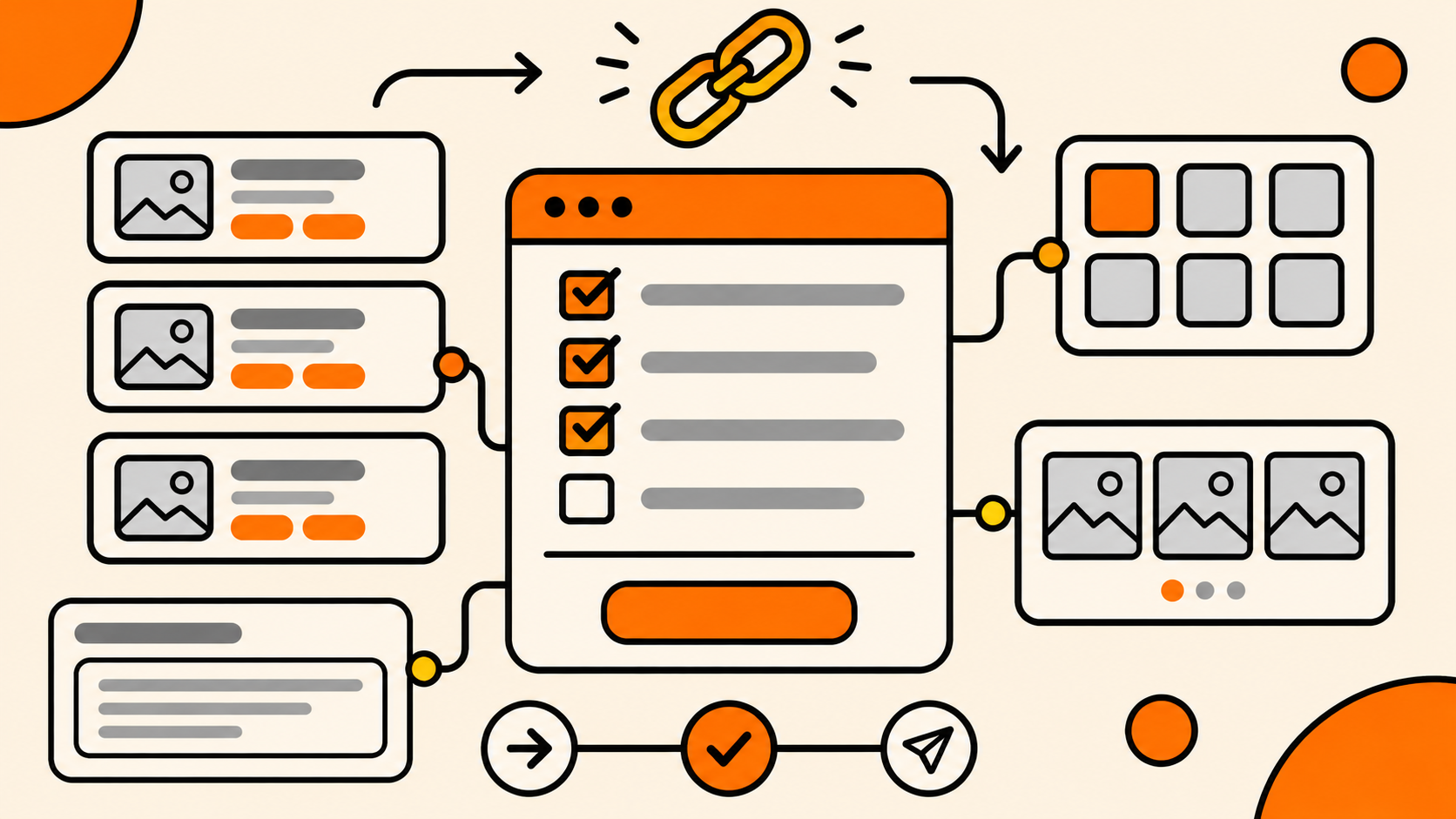
Submitting your startup to directories sounds simple.
Find a directory, paste your website URL, write a short description, upload a logo, and move on.
In reality, good startup directories usually ask for much more information. And if you start filling everything out without preparing first, you can easily spend 20 or 30 minutes on every submission.
A better approach is to create a small startup submission kit before you begin.
With the right information ready, you can submit your product faster, keep your messaging consistent, and create much stronger listings.
Here is what you should prepare before submitting your startup to a directory.
Start With a Clear One-Line Description
Your one-liner may be the most important part of the entire submission.
Directory visitors usually browse quickly. They may see your logo, product name, and one short sentence before deciding whether to click.
That sentence should explain what your product actually does.
Avoid descriptions like:
The future of AI-powered business productivity.
That could describe hundreds of products.
A better version would be:
An AI assistant that turns customer calls into summaries, tasks, and CRM updates.
Specificity helps people understand whether the product is relevant to them.
Try to keep a short version around one sentence and prepare a slightly longer version for directories that allow more space.
Prepare Both Short and Long Descriptions
Most directories have different character limits.
One platform might ask for 100 characters. Another might give you 300. Another may want several paragraphs.
Instead of rewriting your description every time, prepare three versions.
Your short description should explain the core value quickly. Your medium description can explain the audience and main features. Your longer version can include the problem, how the product works, and what makes it different.
Don’t fill the long version with every feature you have built.
The goal is still clarity.
Someone should be able to understand your product without reading documentation first.
Choose the Right Category
Category selection is easy to underestimate.
If your product appears in the wrong category, the wrong people will discover it.
Imagine you built an API monitoring tool.
You could potentially call it SaaS, analytics, developer tools, monitoring, productivity, or infrastructure.
Which category is best?
Think about what your ideal user would browse when looking for the product.
Choose the most specific relevant category available rather than automatically selecting the largest one.
The same applies to tags. Five accurate tags are usually more useful than adding every possible term connected to your startup.
Have a Clean Logo Ready
Prepare a square version of your logo before submitting anywhere.
A simple high-resolution PNG or WebP with enough padding usually works across most directories.
Check how the logo looks when displayed very small.
Complicated text, tiny details, or unusual aspect ratios often become unreadable inside product cards.
Your directory logo doesn’t need to explain the entire company.
It needs to make the listing recognizable.
Prepare Real Product Screenshots
Screenshots can make a listing significantly easier to understand.
Use images of the actual product wherever possible.
Show the dashboard, workflow, editor, report, mobile interface, or main feature people would use.
Avoid filling every screenshot with marketing slogans.
A visitor browsing a directory is often trying to answer:
What does this actually look like?
Your screenshots should answer that question.
Keep them current as well. If your product design changes significantly, update important directory listings instead of leaving screenshots from an old version online.
Make Your Pricing Easy to Explain
Prepare a simple description of your pricing model.
Is the product free?
Freemium?
Paid?
Open source?
One-time purchase?
Subscription?
If there is a paid plan, know the starting price.
Don’t mark a product as free if the only free option is a limited trial. Accurate pricing builds trust and prevents visitors from reaching your website with the wrong expectation.
Collect All Important URLs
Keep your important links somewhere easy to copy.
That includes your main website URL, documentation, GitHub repository if relevant, X account, LinkedIn page, demo, and any other official resource.
Use the cleanest version of your main URL when submitting.
You usually don’t need to submit a URL containing a long collection of analytics or advertising parameters.
If you want to measure directory traffic, add tracking parameters intentionally where the platform allows it or use your analytics/referrer data afterward.
Know Who the Maker Is
Some startup directories highlight the person behind the product.
Prepare your maker name, profile photo, short bio, and relevant social profile if required.
This matters particularly for indie products.
People often like knowing that a useful tool was built by an individual developer or small team rather than an anonymous company.
A real maker identity can make the listing feel more trustworthy and give users another way to connect with you.
Prepare a Simple Launch Story
Some directories or launch communities ask why you built the product.
You don’t need a dramatic founder story.
Explain the real problem.
Maybe you were repeatedly doing something manually. Maybe an existing tool was too expensive. Maybe you needed something that did not exist. Maybe you built the first version for yourself.
A short authentic explanation is usually more interesting than corporate marketing language.
For example:
I was manually exporting database backups every week, so I built a tool to automate the process and store them outside the original provider.
That immediately explains both the problem and the reason the product exists.
Check the Directory’s Requirements Before Submitting
Not every startup directory works the same way.
Some manually review submissions. Some require an account. Some require the product to already be publicly available. Others focus on beta products.
Some may also ask for verification.
For example, ProgrammerNeeds currently offers a free listing with human review, search and category visibility, a dedicated product page, logo and screenshots, with one-time website badge verification for the free plan.
Read the requirements first instead of discovering them halfway through the submission.
Don’t Submit Only for Backlinks
A startup directory should primarily help people discover your product.
Avoid thinking of directory submissions as a way to manufacture hundreds of backlinks.
Google’s current spam policies specifically identify low-quality directory links and links created primarily to manipulate rankings as examples of link spam.
That doesn’t mean legitimate directories are bad for SEO.
It means relevance and quality matter.
A complete product listing on a real directory used by your target audience is very different from automatically submitting your website to hundreds of abandoned directories.
Focus on discovery first.
Any SEO value should be a secondary benefit.
Keep a Submission Tracker
Once you start submitting to multiple directories, it becomes surprisingly easy to forget where your product has been listed.
Keep a simple spreadsheet containing the directory name, submission date, listing URL, status, login email, and any future action required.
You can also track which directories actually send visitors or signups.
After a few months, you may discover that one small niche directory produces better users than several much larger platforms.
That information helps you decide where to spend your time next.
Final Thoughts
A good startup directory submission begins before you open the submission form.
Prepare your tagline, descriptions, logo, screenshots, category, pricing, links, maker information, and product story once.
Then adapt those materials to each directory.
You will submit faster, your product will look more professional, and your messaging will remain consistent across the web.
Most importantly, prioritize quality over quantity.
You don’t need your startup listed on every directory you can find.
You need strong listings in places where the right users might actually discover what you’ve built.
By Rashid Shahriar · Published
Give your product a lasting listing.
Add your product details, pricing, and screenshots. Submissions are reviewed before publication.
Submit your productHow publishing works